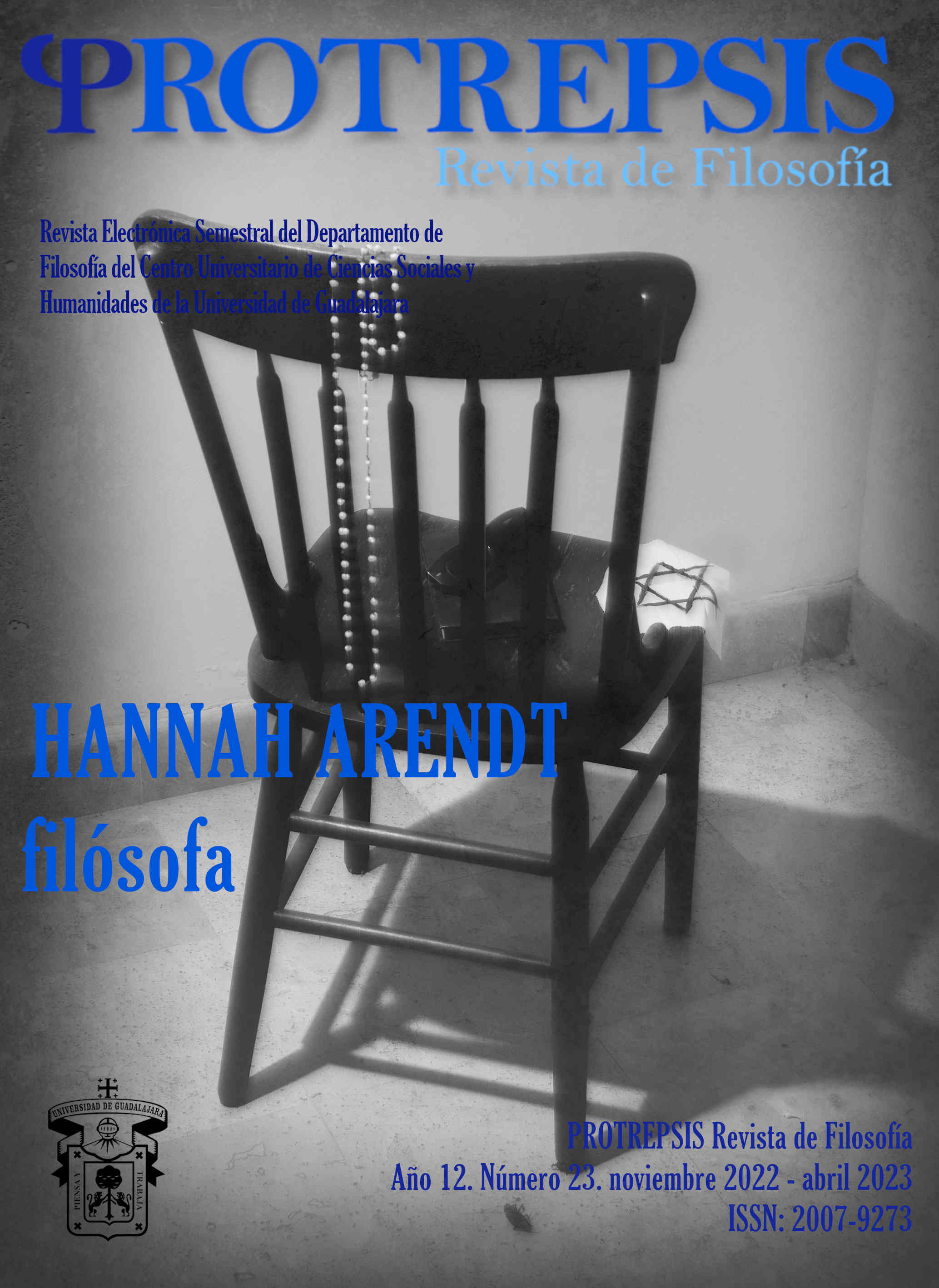
Hannah Arendt. Ruptura con la tradición y tiempo de la acción
Resumen
Es conocida la tesis de Hannah Arendt de que el Totalitarismo constituye una ruptura con los lazos de la tradición occidental, en la medida en que sus acciones han hecho estallar las categorías de pensamiento político y los patrones de juicio moral. Esta ruptura implica la difícil tarea de comprender la naturaleza del fenómeno totalitario sin la ayuda de las categorías tradicionales, por eso, Arendt sostiene que dicho fenómeno constituye una novedad irreductible. Sin embargo, la autora señala que esta novedad no debe entenderse como la inserción de nuevas ideas en el mundo de los asuntos humanos, sino que ha sacado a la luz la ruina de las categorías pertenecientes a la tradición de pensamiento político occidental. En este trabajo se intenta mostrar que, con estas tesis, Arendt intenta señalar que aquello que, desde sus inicios, la tradición occidental no ha podido pensar, y que el totalitarismo ha eliminado completamente, es una reflexión en torno a la acción y a su específica temporalidad. De este modo, la ruptura con los lazos de la tradición puede significar la oportunidad de elaborar un verdadero pensamiento en torno a la acción que tenga en cuenta tanto su específica temporalidad, que se funda en el evento de la natalidad, como la consecuencia de esto para la narración y la construcción de la Historia.